prakorin.com
A WordPress recovery and practical SEO handoff
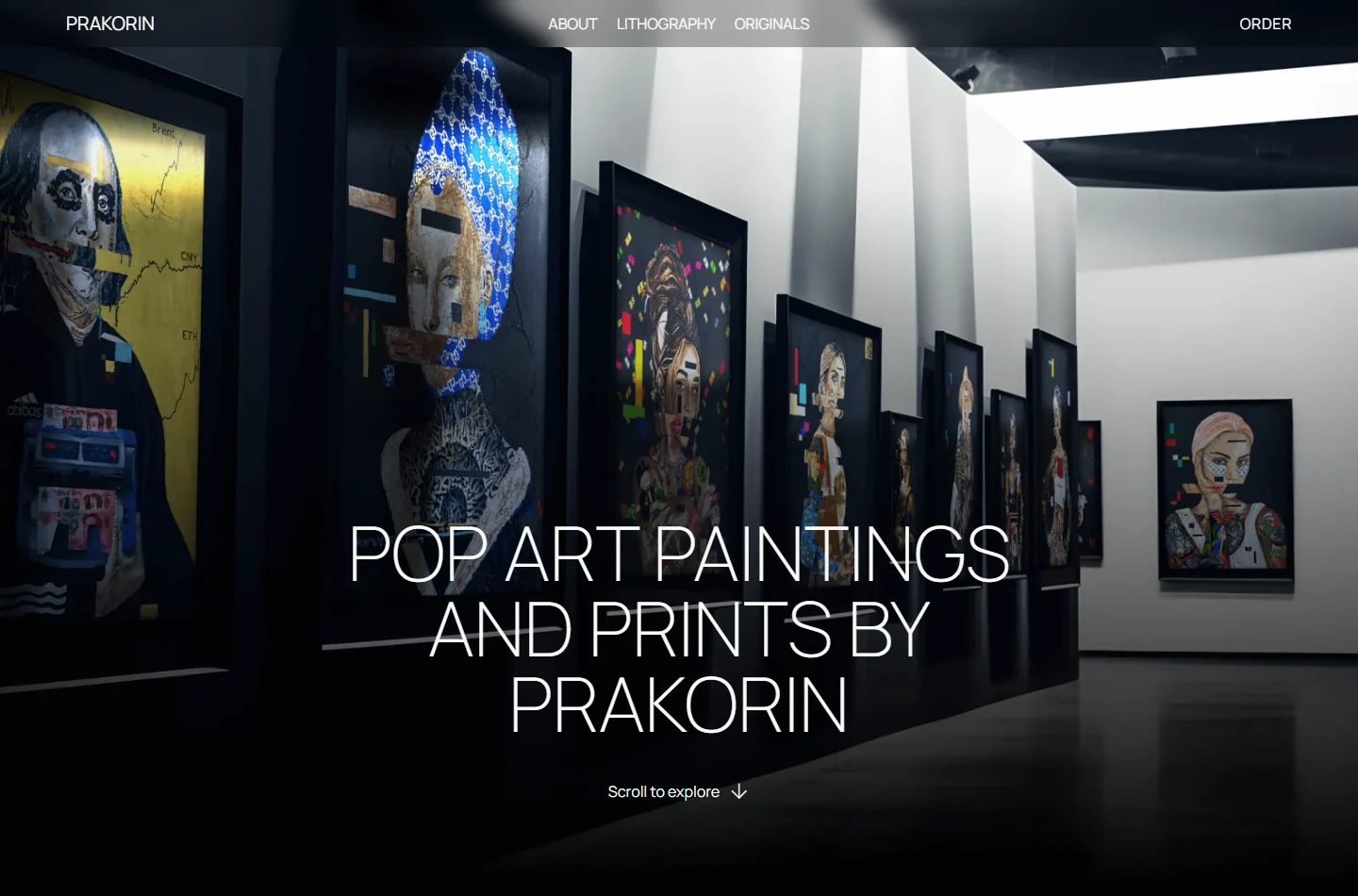
Public website capture · prakorin.com
Bringing an existing site back
I had maintained prakorin.com before, but I did not originally create it. When the WordPress site went offline, I still had a local backup. That copy became the starting point for restoring the site on my VPS.
I organised the recovery with an AI agent, adapting the saved installation to my hosting environment and reconnecting the site through Cloudflare's API. The owner then continued working on keywords and page content with my guidance. He made those changes himself, while I helped direct the next work around the recovered website.
For this project, recovery and search development are connected stages. Bringing the installation online restores the starting point; it does not by itself decide how the artist's work should be presented, how the catalogue should be discovered or which search terms fit the offer.
Understanding the catalogue before recommending more pages
The follow-up SEO work produced a structured audit and semantic handoff. The site presents artwork through separate areas for originals and lithography, alongside supporting pages and an article. That distinction matters because someone looking for an original painting is not necessarily looking for the same product as someone buying a print.
The October technical check covered all 107 URLs across four sitemaps. It inspected their HTTP responses, canonical links, metadata, headings, ordinary internal links and structured data, with additional checks of older address variants. Every sitemap page returned successfully, had its own canonical and could be reached through normal HTML links from the homepage.
The findings gave the owner a specific set of priorities. The report separated working foundations from the specific issues that remained, and distinguished current findings from earlier problems that had already been corrected.
Recovery and research
An inconsistency that a crawler score would not explain
One finding concerned two artworks whose catalogue pages mixed descriptions of an original and a lithograph. Their text, image description, product data and links did not consistently describe the same offer. The recommendation was to confirm what each URL actually sold and align the visible information and structured data with that decision, while keeping the original's separate page where appropriate.
Another issue was the breadcrumb structure on the commercial catalogue pages. A supposed parent shop link redirected to a particular product rather than the relevant gallery. The proposed correction was a real hierarchy connecting the homepage, the correct gallery and the artwork.
These issues affected how the artwork was described and how visitors moved through the catalogue. The audit also identified repeated product-detail text and stale modification dates, but gave them proportionate priority. It did not turn every short artwork description or old timestamp into a claim that search engines had penalised the site.
Turning keyword research into choices
The semantic package covered 144 queries and classified them by fit: 80 suitable, 48 conditional and 16 excluded. That division kept the research connected to the offer instead of treating every phrase with search volume as a page opportunity.
Further search-result checks changed the classification of two terms because parts of the buying intent did not fit the actual offer. The handoff retained those decisions, mapped primary and secondary terms to page groups, and separated country-specific figures rather than adding them into an invented worldwide demand number.
The deliverables included page-level metadata recommendations for the 107 pages, a prioritised action register, query and page maps, content directions and supporting CSVs. Existing pages, possible new material and deferred ideas remained distinct. That made the output useful for deciding what to change next without presenting a recommendation as work already published.
Checking the report itself
The audit was reviewed against the saved evidence before release. That review corrected a count of issue types, clarified the scale of local problems and kept source samples separate from complete inventories. Image checks, for example, did not become a claim that every image had been measured. Successful crawl tasks did not become invented Lighthouse or Core Web Vitals scores.
The delivered package preserved the research's dates, sources and classifications, giving the owner an organised set of actions and material to work from. The owner-led content changes and the audit recommendations remain separate parts of the story; the report is not a claim that every suggested change has already been deployed.
The project connects WordPress recovery and owner support with an actionable SEO handoff: current technical facts, offer-aware search research and page-level priorities with a clear division of responsibility.